
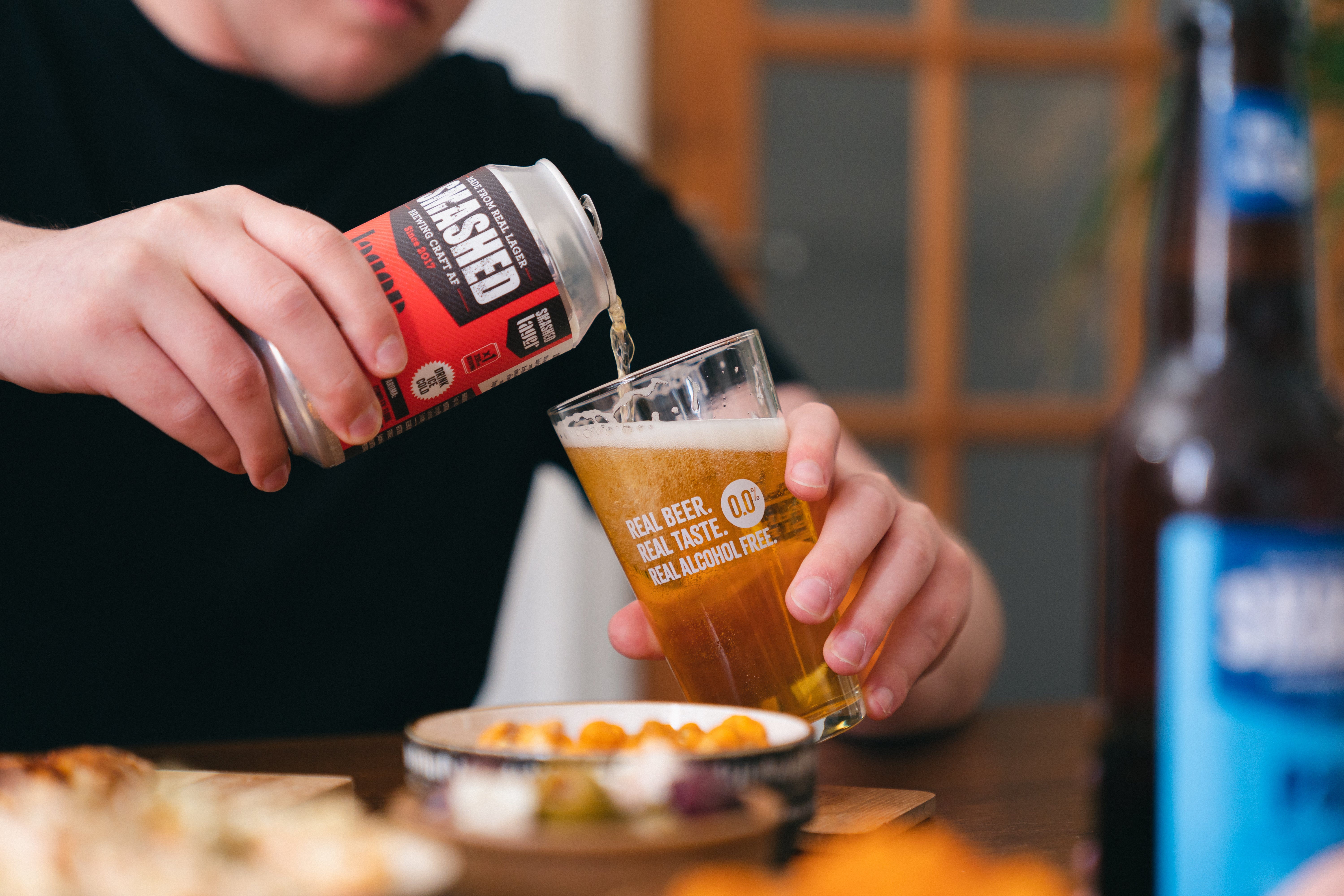
Non-alcoholic beer, wine, and spirits are gaining popularity for good reason. These drinks offer many of the same flavours and social experiences as traditional alcohol but without the negative health effects. Whether you’re looking to improve your sleep, support your heart health, or simply cut back on drinking, non-alcoholic options provide real benefits backed by science.

Non-alcoholic drinks can help you stay hydrated, reduce stress, improve sleep quality, and support your overall wellbeing whilst still letting you enjoy the taste and ritual of your favourite beverages. Recent studies show that compounds in non-alcoholic beer, such as polyphenols and hops, offer specific health advantages that go beyond just removing alcohol. These include better exercise recovery, stronger bones, and improved heart function.
The shift towards non-alcoholic alternatives isn’t just about avoiding hangovers. It’s about making choices that support your long-term health whilst maintaining your social life and enjoyment. From athletes seeking better recovery drinks to parents wanting healthier options, non-alcoholic alcohol fits into many different lifestyles.
Key Takeaways
- Non-alcoholic drinks provide health benefits like better hydration, improved sleep, and reduced stress without alcohol’s harmful effects
- These beverages contain beneficial compounds such as polyphenols, electrolytes, and B vitamins that support heart health, bone strength, and exercise recovery
- You can enjoy the social and sensory experience of drinking whilst making choices that support your physical and mental wellbeing
Key Health Benefits of Non Alcoholic Alcohol
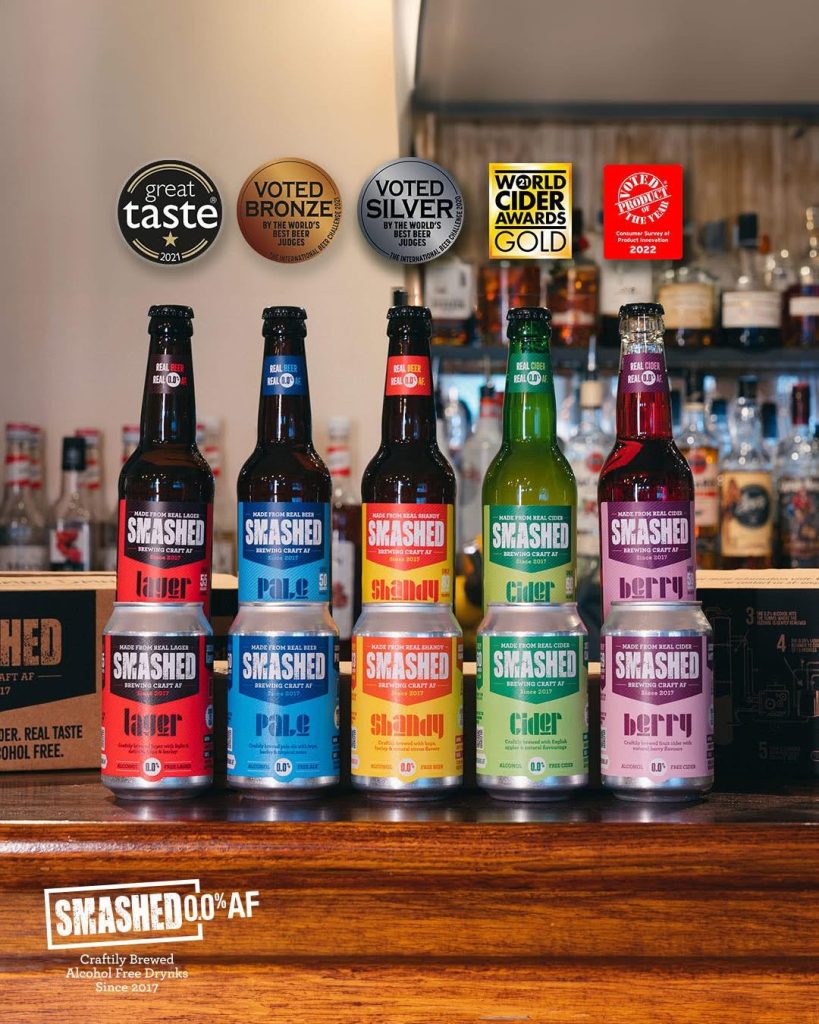
Non-alcoholic alternatives deliver measurable improvements across sleep quality, body composition, cardiovascular function, and physical recovery. These benefits stem from removing alcohol’s harmful effects whilst retaining beneficial compounds found in traditional beverages.
Improved Sleep Quality and Mental Clarity
Non-alcoholic beverages support better sleep patterns because they don’t interfere with your natural sleep cycles. Alcohol disrupts REM sleep, which is the restorative phase your brain needs for memory consolidation and cognitive function. When you switch to alcohol-free options, you’ll likely notice you wake up feeling more refreshed.
Your mental clarity improves significantly without alcohol’s depressive effects on your central nervous system. You’ll experience sharper focus throughout the day and better decision-making abilities. Many people report reduced brain fog and improved concentration within days of making the switch.
The absence of hangovers means you start each morning without headaches, fatigue, or the cognitive impairment that comes with alcohol consumption. This consistent mental state helps you maintain productivity and emotional stability.
Lower Calorie and Sugar Intake
Most non-alcoholic beverages contain significantly fewer calories than their alcoholic counterparts. A standard alcoholic beer has around 150 calories, whilst many non-alcoholic versions contain 50-80 calories. This reduction helps with weight management and reduces your overall caloric burden.
Alcohol itself provides 7 calories per gramme with no nutritional value. When you remove it, you’re eliminating empty calories that contribute to weight gain. Some non-alcoholic options do contain added sugars to improve taste, so checking labels remains important.
Calorie comparison of common drinks:
| Beverage Type | Average Calories |
|---|---|
| Regular Beer (330ml) | 150 |
| Non-Alcoholic Beer (330ml) | 60 |
| Wine (150ml) | 125 |
| Non-Alcoholic Wine (150ml) | 30 |
Heart Health and Cardiovascular Support
Your cardiovascular system benefits from reduced alcohol consumption. Chronic drinking raises blood pressure and increases the risk of heart disease. Non-alcoholic wines and beers often contain polyphenols and antioxidants that support heart health.
Research indicates that polyphenols in non-alcoholic red wine may help protect blood vessel function. These compounds reduce inflammation and oxidative stress in your cardiovascular system. The antioxidants work to neutralise harmful free radicals without the negative effects alcohol has on your heart.
Your liver health improves dramatically when you choose non-alcoholic options. The liver processes alcohol as a toxin, and regular consumption leads to fatty liver disease and cirrhosis. Giving your liver a break allows it to focus on its essential functions like detoxification and nutrient processing.
Hydration and Post-Exercise Recovery
Non-alcoholic beverages support proper hydration because they don’t have alcohol’s diuretic effect. Alcohol causes your body to lose more fluid than you consume, leading to dehydration. This makes alcohol-free options superior for maintaining your body’s fluid balance.
Some non-alcoholic beers contain electrolytes, carbohydrates, and B vitamins that aid workout recovery. The carbohydrates help replenish glycogen stores in your muscles after exercise. Electrolytes like sodium and potassium replace what you lose through sweat.
Key recovery nutrients in non-alcoholic beer:
- Sodium for fluid balance
- Potassium for muscle function
- B vitamins for energy metabolism
- Carbohydrates for glycogen restoration
The isotonic properties of certain non-alcoholic beers make them effective post-exercise drinks. They provide hydration whilst delivering nutrients your body needs for recovery. This combination supports muscle repair and reduces recovery time between training sessions.
Wellbeing and Lifestyle Advantages

Non-alcoholic drinks support your overall wellbeing through stress management, mental clarity, and physical nutrition. These beverages provide B vitamins and electrolytes that contribute to bone health whilst helping you maintain mindful drinking habits.
Stress Relief and Lower Anxiety
Non-alcoholic alternatives help you unwind without the negative effects alcohol has on your nervous system. Whilst traditional drinks might seem to ease tension initially, they actually increase anxiety levels once the effects wear off.
Choosing non-alcoholic options allows your body to relax naturally. You avoid the cycle of alcohol-induced stress that disrupts your sleep and mood regulation. Many people report feeling calmer and more in control when they switch to these drinks.
Your stress levels benefit from avoiding alcohol’s impact on cortisol production. Regular alcohol consumption raises this stress hormone, which can lead to increased anxiety over time. Non-alcoholic drinks let you enjoy social situations without triggering this response.
Supporting Mental Health and Mindful Drinking
Mindful drinking means paying attention to what you consume and why. This practice helps you make conscious choices about your beverages rather than drinking out of habit or social pressure.
Your mental health improves when you reduce or eliminate alcohol. You experience better mood stability, clearer thinking, and improved decision-making abilities. Non-alcoholic drinks support these benefits whilst still providing the ritual and taste you enjoy.
These beverages allow you to stay present during social events. You maintain full cognitive function and emotional awareness throughout the evening.
Promoting Bone Strength and Nutrient Intake
Non-alcoholic beer contains nutrients that support your physical health. These drinks often include B vitamins, particularly B12, B6, and folate, which your body needs for energy production and cell function.
Some non-alcoholic beverages provide electrolytes like potassium and magnesium. These minerals help maintain proper hydration and support muscle function. Non-alcoholic beer specifically contains silicon, which contributes to bone strength and density.
Your body absorbs these nutrients more effectively without alcohol interfering with the process. Alcohol blocks nutrient absorption in your digestive system, but non-alcoholic versions deliver these benefits directly.
Understanding Non Alcoholic Alcohol: Types and Labelling
Non-alcoholic drinks use specific terms on their labels that have different legal meanings based on alcohol content. These products range from completely alcohol-free to low-alcohol options with up to 1.2% ABV, and knowing these differences helps you choose the right drink for your needs.
Differences Between Non-Alcoholic, Alcohol-Free, and Zero-Proof
The terms on non-alcoholic drink labels have specific definitions. In England, alcohol-free products contain no more than 0.05% ABV. Non-alcoholic drinks typically contain up to 0.5% alcohol by volume. Low-alcohol products can have up to 1.2% ABV.
Some consumers use these terms interchangeably, but the distinctions matter for certain groups. Pregnant women, people in recovery from alcohol dependence, and those avoiding alcohol for religious reasons need to check labels carefully.
Zero-proof is another term you might see, particularly on spirit alternatives. This typically means the drink contains 0% ABV and is completely free from alcohol.
The small amount of alcohol in some “non-alcoholic” products (up to 0.5%) is similar to what you’d find in ripe bananas or fruit juices. However, even trace amounts can trigger cravings in people with alcohol use disorders or pose risks during pregnancy.
Non Alcoholic Beer and Its Nutritional Profile
Non-alcoholic beer and alcohol-free beer offer similar taste to regular beer but with lower calories. These products typically contain fewer calories because alcohol contributes around 7 calories per gram.
Most NA beers contain similar ingredients to regular beer: water, malted barley, hops, and yeast. The main difference is in the production process or alcohol removal method.
Nutritional benefits of non-alcoholic beer include:
- Lower calorie content (typically 50-80 calories per serving versus 150+ in regular beer)
- B vitamins from the brewing process
- Small amounts of minerals like potassium and magnesium
- No liver damage from chronic alcohol consumption
The brewing process preserves some nutrients whilst removing most alcohol. These drinks can help you stay hydrated better than alcoholic versions since alcohol acts as a diuretic.
Popular Non Alcoholic Drinks and Mocktails
Non-alcoholic drinks now cover a wide range beyond just beer. You can find NA beverages including wines, spirits, ciders, and ready-to-drink cocktails.
The market has grown rapidly in recent years. Alcohol-free beer remains the fastest-growing category, but spirit alternatives and wine-based drinks are gaining popularity.
Common types include:
- Non-alcoholic spirits: Designed to replicate gin, rum, whisky, and other spirits
- Alcohol-free wine: Both red and white varieties with 0.5% ABV or less
- Zero-alcohol ciders: Made using similar production methods to regular cider
- Mocktails: Mixed drinks created without alcohol from the start
These products aim to replicate the taste and experience of standard-strength drinks. They work well in social settings where you want a drink that looks and feels like an alcoholic beverage but without the alcohol content.
Many pubs, bars, and restaurants now stock NoLo options on draught and in bottles. This increased availability makes it easier for you to choose lower-strength alternatives when eating out or socialising.
Who Benefits from Non Alcoholic Alcohol?
Non-alcoholic beverages serve different groups of people for various reasons, from those reducing their drinking to individuals who need to avoid alcohol entirely. Athletes benefit from post-workout options, designated drivers enjoy social participation without impairment, and seasonal abstinence campaigns like Dry January have popularised NA drinks among wider audiences.
Cutting Down on Alcohol and Moderation Movements
If you’re trying to cut down on alcohol, non-alcoholic beverages offer a practical substitute that lets you maintain social rituals without the health risks. People with alcohol use disorders can use NA drinks as a stepping stone to reduce consumption or stop completely. The rise in health consciousness has driven many to reassess their drinking habits, with non-alcoholic options providing a middle ground.
You can avoid the negative effects of alcohol whilst still enjoying the taste and experience of your favourite drinks. Since non-alcoholic beverages contain less than 0.5% ABV, they eliminate most health risks associated with regular alcohol consumption, including liver damage and cancer risk. This makes them suitable for anyone looking to moderate their intake without giving up the social aspects of drinking entirely.
Suitability for Athletes, Drivers, and Specific Lifestyles
Athletes find non-alcoholic beer particularly useful for workout recovery, as these beverages contain vitamins and minerals whilst being lower in calories than traditional beer. You get hydration benefits without the dehydrating effects of alcohol that can impair muscle recovery.
Designated drivers benefit significantly from NA drinks, allowing you to participate in social occasions without risking impaired driving or hangovers. You can enjoy the evening alongside friends without compromising safety or facing the next-day consequences of alcohol consumption.
Pregnant women, individuals on certain medications, and those with health conditions requiring alcohol avoidance can safely consume non-alcoholic beverages. The minimal alcohol content (under 0.5% ABV) poses negligible risk compared to regular alcoholic drinks. People in recovery from addiction should consult healthcare providers, as even small amounts or the ritual of drinking might present challenges.
The Role of Non Alcoholic Drinks in Dry January and Beyond
Dry January has become a major driver of non-alcoholic beverage popularity, introducing millions to NA drinks each year. You’re more likely to continue using these products after the month ends, having discovered quality alternatives that fit your lifestyle. Sales data shows that participation in Dry January correlates with sustained interest in moderation throughout the year.
The campaign helps normalise choosing non-alcoholic options in social settings. You can reset your relationship with alcohol, assess your consumption patterns, and potentially maintain reduced drinking habits long-term. Many people report that Dry January serves as a gateway to discovering the expanding range of sophisticated non-alcoholic beverages now available on the market.
Frequently Asked Questions
Non-alcoholic drinks offer real benefits like better hydration and improved sleep, but many people still have questions about trace alcohol content, possible side effects, and whether these beverages suit everyone’s health needs.
What are the main health advantages of choosing alcohol-free drinks over alcoholic ones?
Alcohol-free drinks protect your liver from damage since they don’t contain the toxic substance that causes liver problems over time. Your heart benefits too, as these drinks often include polyphenols and antioxidants that improve blood flow and support healthy blood pressure.
You’ll also get better sleep quality with non-alcoholic options. Regular alcoholic drinks disrupt your sleep cycles and leave you feeling groggy, but alcohol-free versions help you fall asleep faster and wake up more refreshed.
The calorie difference is significant. A standard beer contains over 150 calories, whilst many non-alcoholic versions have far fewer. This makes them easier to fit into your daily diet without adding excess calories.
Non-alcoholic beer provides useful nutrients like B vitamins, potassium, and magnesium. These support hydration, especially after exercise, and help your body recover more effectively than water alone in some cases.
Are there any side effects associated with drinking non-alcoholic beer regularly?
Most people can drink non-alcoholic beer regularly without problems. However, you should check the label for ingredients that might affect you personally.
Some non-alcoholic drinks contain high amounts of sugar or added sweeteners. If you drink them frequently, this could add unwanted calories to your diet or affect blood sugar levels.
The carbonation in these drinks might cause bloating or discomfort if you’re sensitive to fizzy beverages. People with digestive issues may notice this more than others.
You should also be aware that some brands use different ingredients or botanical extracts. Read labels carefully if you have allergies or sensitivities to specific plant compounds.
Can alcohol-free beer or wine support better sleep and next-day alertness?
Alcohol-free beer contains compounds from hops that help you relax and fall asleep faster. These compounds, including xanthohumol and myrcenol, work with your brain’s natural calming system.
Studies show that people who drank 330 ml of non-alcoholic beer with dinner fell asleep more quickly and experienced less restlessness during the night. Nurses working stressful shifts and students during exam periods both reported improved sleep quality after two weeks of regular consumption.
You’ll wake up feeling more alert because non-alcoholic drinks don’t disrupt your sleep cycles like regular alcohol does. Alcoholic drinks prevent you from reaching deep sleep stages, but alcohol-free versions let your body complete its natural rest process.
The result is better focus and energy the next day. You won’t deal with grogginess, dehydration, or the mental fog that follows a night of drinking regular alcohol.
Do alcohol-free beers and wines still contain alcohol, and is the amount significant?
Non-alcoholic drinks in the UK can legally contain up to 0.5% alcohol by volume. This trace amount comes from the brewing or fermentation process that creates the drink’s flavour.
The alcohol level is extremely low compared to regular drinks. A standard beer contains 4-5% alcohol, which means it has roughly 10 times more alcohol than a non-alcoholic version.
Many brands now produce completely alcohol-free options with 0.0% alcohol. Check the label if you need to avoid alcohol entirely for medical, religious, or personal reasons.
The trace amounts in 0.5% drinks are generally too small to cause intoxication or affect your body in noticeable ways. However, pregnant women and people in alcohol recovery programmes should consult their healthcare provider before choosing these drinks.
What are the potential disadvantages or risks of alcohol-free beverages for certain people?
People recovering from alcohol addiction may find that non-alcoholic drinks trigger cravings or unwanted associations with drinking. The taste and ritual of consuming these beverages might make recovery more difficult for some individuals.
Pregnant women should be cautious about drinks containing up to 0.5% alcohol. Whilst the amount is minimal, it’s best to speak with your doctor about whether any alcohol content is safe during pregnancy.
Some non-alcoholic drinks contain ingredients from juice or botanical extracts that could interact with medications. If you take prescription drugs regularly, check with your pharmacist about potential interactions.
The sugar content in certain alcohol-free wines and cocktails can be problematic for people managing diabetes. Always review nutrition labels to understand what you’re consuming.
People with coeliac disease need to verify that non-alcoholic beers are genuinely gluten-free, as many still contain barley or wheat.
Can non-alcoholic beer have any noticeable benefits for skin or hydration?
Non-alcoholic beer hydrates your body effectively because it contains electrolytes like potassium, sodium, and magnesium. These minerals help maintain fluid balance and support proper cell function throughout your body, including your skin cells.
Better hydration means your skin can maintain its moisture levels more easily. When you’re properly hydrated, your skin appears plumper and healthier.
The antioxidants in non-alcoholic beer, particularly polyphenols, help reduce oxidative stress in your body. This process can benefit skin health by protecting cells from damage that leads to premature ageing.
Silicon in non-alcoholic beer supports collagen production. Collagen is essential for keeping skin firm and elastic, which contributes to a more youthful appearance.
Research shows that non-alcoholic beer can hydrate you better than water after exercise. This improved hydration status helps your entire body function better, including the largest organ you have: your skin.


